
Reusable vs Disposable: A Cost Comparison Guide

Have you ever wondered if sticking with disposable products is really saving you money in the long run? I certainly did, so I decided to dive deep into the world of reusable items versus their disposable counterparts. From kitchen bags to baby diapers, the cost differences can really add up. But it’s not just about the money—it’s also about convenience, environmental impact, and even health benefits. Let’s explore these factors to help you make a more informed decision.
The Upfront Cost Dilemma
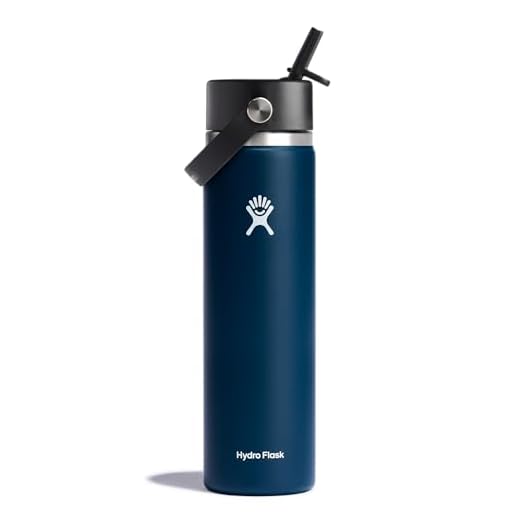
When I first considered making the switch, the upfront cost of reusable items was a bit daunting. Take Stasher Premium Silicone Bags, for instance. At $43.49, they seem a bit pricey compared to a bulk pack of plastic bags. However, these bags are designed to last, potentially saving you money over time. Similarly, the Hydro Flask Indigo Blue water bottle might seem like an investment at $38.75, but think about the number of disposable plastic bottles you’d avoid buying! In my experience, while the initial cost is higher, the long-term savings often justify the price. Plus, knowing I’m contributing less to waste makes it feel worth it.
Long-Term Savings Analysis
Over time, I’ve found that the cost savings with reusable products can be significant. For instance, let’s talk about the Babygoal 6FG38 cloth diapers. At $29.99 for a pack, they can be reused multiple times, which drastically cuts down on the number of disposable diapers you’d need to buy. The savings can be substantial, especially over a few years. When you add in reusable kitchen items like Stasher bags, you start to see how the costs of disposables can quickly stack up. In a year, you could save hundreds of dollars just by switching to reusables.
Environmental and Health Considerations
Switching to reusable products isn’t just about saving money. I’ve noticed a significant impact on reducing waste. Using reusable bags instead of plastic ones, for instance, means less plastic ends up in landfills. Plus, reusable items like the Hydro Flask help reduce exposure to harmful chemicals sometimes found in disposables. In terms of health, I’ve felt better knowing my family is using safer, more sustainable products. Not to mention, it’s satisfying to know you’re making a positive impact on the environment with every use.
Convenience Factor
I can’t ignore that disposables are convenient. But with reusables, it’s about finding a new kind of convenience. The key is to incorporate them into your routine. For example, I keep my Stasher bags easily accessible in the kitchen, and the Hydro Flask goes everywhere with me. Once you’re in the habit, it feels as easy as grabbing a disposable option. Plus, knowing you won’t run out and need a last-minute store run is a nice perk!
🎯 Key Takeaways
- Reusable products often have a higher upfront cost, but save money over time.
- Products like Babygoal cloth diapers and Stasher bags show long-term savings.
- Using reusables can significantly reduce your environmental footprint.
- There are health benefits to using items like the Hydro Flask over disposables.
- Convenience can be found with reusables once integrated into daily routines.
Recommended Products
Based on my experience with this topic, here are products that can help:


Final Thoughts
In the great debate of reusable versus disposable, I’ve found that the benefits of reusable products far outweigh the initial costs. While disposables offer convenience, the long-term savings and environmental benefits of reusables like the Stasher bags and Babygoal diapers are compelling. Ultimately, the choice comes down to your priorities and lifestyle, but for me, the switch to reusables has been a rewarding journey, both for my wallet and the planet.


